Southeast Alaska tribes and environmental groups delivered nearly 30,000 messages to British Columbia lawmakers about transboundary mining. Earthjustice, the international conservation organization Re:wild and the tribal commission said the letters encourage B.C. to pause mining developments in the headwaters of the Stikine, Unuk and Taku Rivers that drain into Southeast Alaska.
The Southeast Alaska Indigenous Transboundary Commission represents 14 Tribal Nations downstream from the mines. Executive Director Guy Archibald said it wasn’t just Alaskans who sent the letters.
“It was people from all over the country and all over the world that recognize that Southeast Alaska is a very unique and valuable place in the world for climate protections, for cultural protections and diversity,” he said.
The environmental groups urged BC officials to freeze “mining activity in this region until SEITC member tribes are given free, prior and informed consent.”
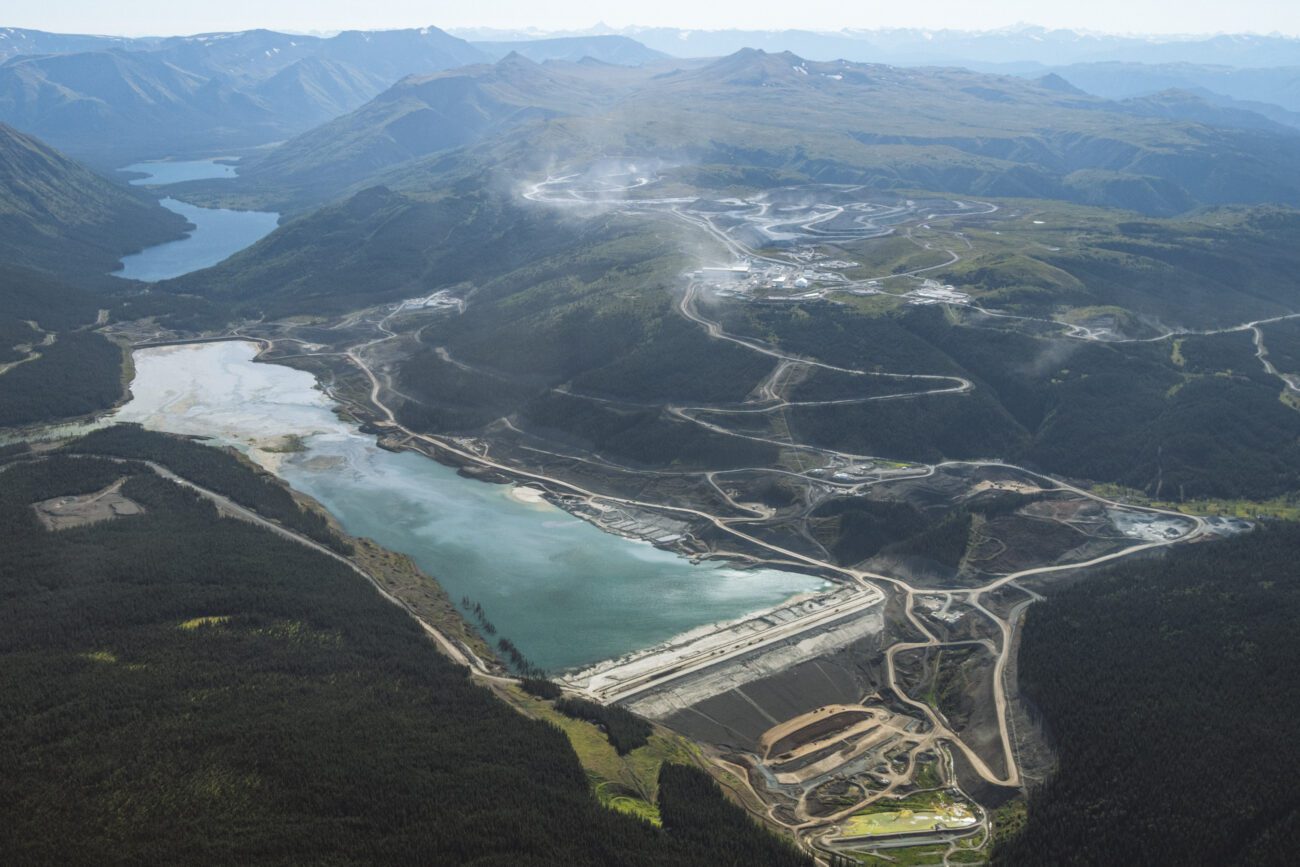
They said the messages point to growing concern over mining in the region. This includes at least eight proposed and operating mines that threaten the transboundary watersheds.
Four mines in the Stikine River Watershed
Archibald said there’s many active explorations going on with mines in British Columbia and eight is just the minimum. There are four mines the groups are concerned about in the Stikine River alone. They are Red Chris, Galore Creek, Schaft Creek and Red Mountain Mines.
“These mines pose a significant risk to the Stikine River, and so far, they’ve been permitted without any adequate consultation with the Southeast tribes,” he said.
Previous studies have shown that minimal regulation of mines pollute watersheds. This affects where people who survive on subsistence food can hunt and fish.
British Columbia say they take their obligations “very seriously”
The Inter-American Commission on Human Rights agreed in 2023 that British Columbia may be violating fundamental human rights.
The British Columbia Environmental Assessment Office wrote in an email that they take their obligations “very seriously – including with tribes in the U.S.” They said they will continue to fulfill their constitutional obligations by consulting with U.S. Tribes when mining practices impact Aboriginal rights under the Canadian Constitution. Currently, the office said seven mines are permitted in the transboundary area.
This includes two (Premier Mine and Brucejack Mine) fully operational mines and five permitted for exploration or have limited construction (Eskay Creek Mine, KSM Mine, Snip Mine, Scottie Gold and Galore Creek).