Crab fishing is practically synonymous with Southeast Alaska, but in recent years the Dungeness crab fishery has become less reliable. Many say that recovered sea otter populations are responsible for the decline.
Now, after the summer Dungeness season closed 20 days early, Wrangell is seeking a local disaster declaration. Here’s Wrangell Borough Manager Mason Villarma.
There’s been little to zero action at a regional level to address the sea otter issue, and there’s not very many avenues to work within and get some sort of relief. The salmon fishermen get relief all the time, so why not the shell fishermen?
He was speaking at an August 25 borough assembly meeting. The borough assembly voted unanimously in support of a local disaster declaration after the Dungeness closure.
The declaration is intended to bring federal relief to crab fishermen and catalyze the formation of a Southeast shellfish fishing association.
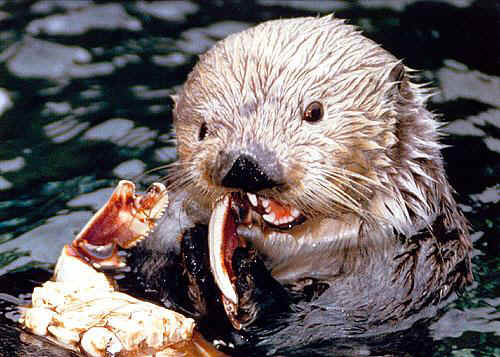
Sea otters are voracious eaters that must consume up to 30% of their body weight – that’s around 25 pounds of food daily for a large male. Their diet consists primarily of shellfish, including clams, oysters, and crabs.
As otters have rebounded from near extinction, they’ve needed more and more food to support their population. In recent years, this has put them directly at odds with Alaska crab fishermen.
The Wrangell assembly vote approves the Borough to ask Alaska Governor Mike Dunleavy to support and request a federal fishery resource disaster determination. If the U.S. government approves a disaster declaration, it could bring financial compensation for the 60 Dungeness crab permit holders residing in Wrangell.
But Villarma says that he understands federal support could be difficult to secure.
What we’ve seen under this administration is a low chance or probability for fishery disasters to be subsidized.
Even without federal support, Villarma says the declaration brings more awareness to the issues fishermen face. It also may push the formation of a shellfish-specific fishing association in Southeast Alaska, which doesn’t exist.
There is currently no such association in the region like there are for seiners, gillnetters, long-liners, and fish processors. Associations like this can give fishermen more agency in addressing issues concerning their livelihood. It can also allow them to pressure government organizations like the National Marine Fisheries Service to fulfill mandated stock assessments and population surveys.
Villarma says the borough will be bringing in an expert to work with fishermen over the next few months to discuss such an organization. He says it will be up to participating groups to decide what the makeup of that association will be.
Whatever the form. I would imagine that it’s going to be a broad array of different user types, but the fishermen being probably the strongest sub user in the association.
The disaster declaration isn’t the first resolution to address the sea otter issue. Last year, Wrangell, Haines and Petersburg passed resolutions seeking a sea otter management plan and for the federal government to relax sea otter protections under the Marine Mammal Protection Act.